The Trailhead Tax: What America's Outdoor Boom Means for Giardia, Soil Parasites, and Your Weekend Plans
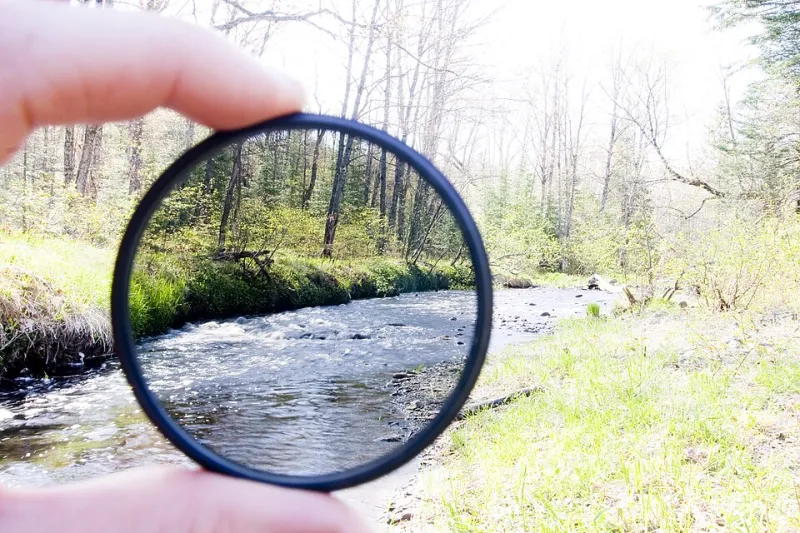
Photo: Robert Emperley from Strasbourg, Alsace, France, CC BY-SA 2.0, via Wikimedia Commons
America's trails have never been busier. Visit any popular national park on a Saturday and the parking lots fill before dawn; the outdoor recreation economy counted over 168 million participants in recent years, and the post-pandemic surge shows no sign of receding. What the brochures don't mention is that giardiasis cases have climbed in step with visitation, and the parasites that live in mountain streams and trailside soil are, in a sense, enjoying the boom too.
Why Popularity Breeds Contamination
Giardia duodenalis, the flagellated protozoan behind the infamous "beaver fever," spreads through fecal contamination of water. More hikers mean more human waste in the backcountry — and, candidly, more dogs, whose droppings carry their own parasite loads. Trail towns downstream of popular routes report seasonal spikes; park health offices in the Rockies, the Sierra Nevada, and the Appalachian corridor all flag giardia as a persistent concern in surface water regardless of how pristine it looks.
That last point deserves emphasis: a sparkling alpine stream can still carry viable cysts. Clear water is not clean water.
The Regional Picture
Hotspots cluster where heavy use meets warm water. The Southeast's swimming holes and the Ozarks see seasonal giardia activity through summer. Soil-borne risks — hookworm larvae that penetrate bare skin — concentrate in the warm, sandy soils of the Gulf Coast and Southern beaches, where feral animal populations overlap with barefoot foot traffic. Northern climates get a partial winter reset that the Sunbelt does not.
The Field Kit That Actually Matters
You don't need to hike in a hazmat suit. Four habits cover the overwhelming majority of risk:
1. Filter or treat every drop. A filter rated for cysts (most quality pump and squeeze filters qualify) or chemical treatment with a proper contact time handles giardia. Dipping your Nalgene straight into the stream is the single most common mistake in backcountry travel.
2. Carry a trail hygiene kit. Hand sanitizer does not reliably kill giardia cysts — a fact that surprises most hikers. Biodegradable soap and water, or soapless approaches like burying waste at proper cathole depth and 200 feet from water, matter more than the sanitizer bottle.
3. Keep footwear on at the swimming hole. Hookworm and other soil-transmitted larvae enter through bare feet. Sandals count as footwear; bare soles on warm sand do not.
4. Wash up at the trailhead, not just at home. The car ride home is when contaminated hands meet steering wheels, snacks, and kids' car seats. A trailhead rinse with bottled water closes the loop.
When to Suspect You Brought Something Home
Giardia has an incubation period of one to two weeks. Bloating, foul-smelling stools, fatigue, and weight loss appearing after a camping trip warrant a conversation with a healthcare provider — and a stool test, not a guess. The infection is easily treated once identified; the real cost is the weeks of misdiagnosis most patients endure first.
Adventure Without the Souvenir
The outdoor boom is, on balance, a public health triumph — Americans are moving, and moving outside. The goal of this guide is not to send anyone back to the couch. It is to make sure that the only thing your weekend in the mountains produces is photographs.