The CSA Paradox: Why Your Farm-Fresh Box Deserves a Second Look Before Dinner
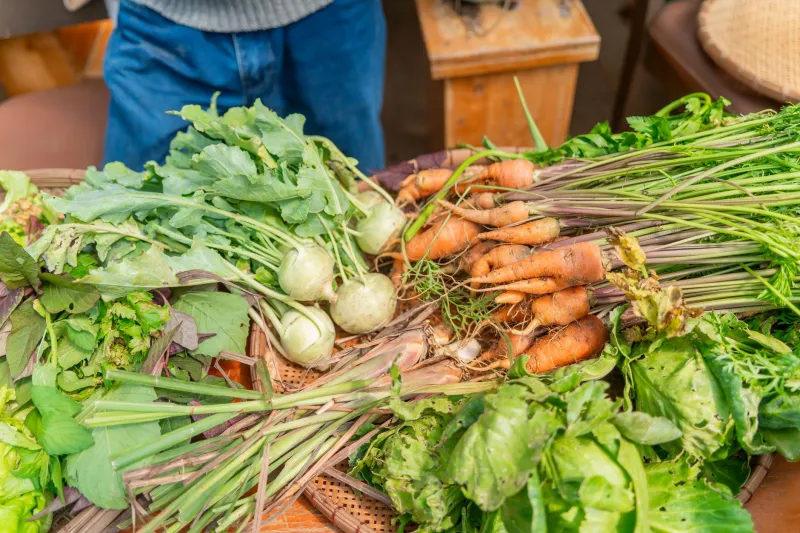
Every week across the United States, millions of households open a cardboard box or reusable tote filled with the season's harvest: heirloom tomatoes, rainbow chard, bunches of carrots still dusted with soil. The community-supported agriculture model — CSA, as it's commonly known — has become a cornerstone of the local food movement, and for good reason. It supports small farms, shortens supply chains, and delivers produce at peak freshness.
But somewhere along the way, an assumption took root: that farm-fresh and locally grown automatically means microbiologically safer. The reality is more nuanced. Fresh produce, regardless of where it comes from, can carry parasitic organisms — and certain farming practices common among small, direct-to-consumer operations may actually elevate certain risks.
Why 'Local' Isn't a Microbiological Guarantee
Large-scale commercial produce operations in the US operate under substantial food safety oversight, including mandatory water testing, documented sanitation logs, and third-party audits under the FDA's Produce Safety Rule. Small farms selling directly to consumers through CSA shares, farm stands, and farmers markets are often exempt from portions of these requirements.
This is not an indictment of small farmers, most of whom take hygiene seriously. It is simply a structural reality: fewer mandated checkpoints mean more variability. A 2022 review in the journal Foodborne Pathogens and Disease noted that leafy greens and herbs from small direct-market farms were repeatedly identified in contamination studies, largely tied to irrigation water quality and soil amendments.
The Organic Fertilizer Question
One of the most under-discussed factors in parasitic risk is fertilization method. Many small and organic farms rely on manure-based compost rather than synthetic fertilizers — a practice with genuine agronomic benefits. However, animal manure is also a well-documented vehicle for parasite eggs.
Three organisms deserve particular attention:
- Ascaris lumbricoides (and the closely related Ascaris suum from pigs): roundworm eggs that can persist in soil for years and survive typical composting if temperatures don't consistently reach lethal thresholds.
- Giardia and Cryptosporidium: protozoan parasites shed in animal feces that can contaminate irrigation water and adhere to low-growing crops.
- Toxoplasma gondii: while usually associated with cats, oocysts from contaminated soil or water can deposit on produce surfaces.
Responsible composting — sustained thermophilic temperatures above roughly 130°F — kills most parasite eggs and oocysts. But not every small operation monitors compost temperatures with the rigor that certification would require, and root vegetables and leafy greens grown at or near soil level are the crops most likely to contact contaminated material.
The Crops That Carry the Most Exposure
If you're evaluating your weekly share, the risk hierarchy looks roughly like this:
- Leafy greens and herbs (lettuce, kale, spinach, basil, cilantro) — enormous surface area, countless crevices, often eaten raw.
- Root vegetables (carrots, beets, radishes, potatoes) — direct soil contact; frequently eaten raw when topped and scrubbed for crudités.
- Berries and low-growing produce (strawberries) — close to the ground, no outer peel, delicate enough that aggressive washing damages them.
- Everything else — tree fruits, peas, beans, and anything you peel or cook carry substantially lower risk.
Cooking is the great equalizer. Thorough heating inactivates all common foodborne parasites, which is why a roasted beet or braised greens pose far less concern than the same vegetables in a raw salad.
A Practical Washing Protocol That Actually Works
A quick rinse under the tap is largely a ritual — it removes visible dirt but does little against adhered parasite eggs and oocysts, which are sticky and microscopic. Evidence-backed steps look different:
For leafy greens: Fill a clean basin with cold water and add one to two tablespoons of distilled white vinegar per quart, or use a commercial produce wash. Soak for five to ten minutes, agitating occasionally, then rinse under running water. Studies comparing sanitizers consistently show that friction plus adequate contact time matters more than the specific product.
For root vegetables: Scrub firmly under running water with a dedicated vegetable brush — one with bristles, not a sponge. Peel when practical. For carrots and radishes destined for raw consumption, a brief vinegar soak after scrubbing adds a meaningful margin.
For berries: Rinse in a colander under cool running water immediately before eating, not before storage (moisture accelerates spoilage). Avoid soaking delicate berries for extended periods.
Cross-contamination discipline: Wash the produce before it touches your cutting board, keep that board separate from raw meat prep, and wash your hands after handling unwashed produce. Parasite eggs transferred from a dirty carrot to a clean countertop can survive there for days.
Reframing the Relationship With Your Farm
None of this is a case for abandoning your CSA. Local agriculture delivers real nutritional, environmental, and community benefits. The smarter move is engagement: ask your farmer how compost is handled, whether irrigation water is tested, and how crops are washed after harvest. Small producers who welcome these questions are usually the ones with the best practices — and the answers will tell you which items in your box deserve the most rigorous kitchen protocol.
Fresh and local is a wonderful starting point. Informed is what makes it genuinely safe. And if you or a family member ever do develop persistent digestive symptoms — unexplained abdominal discomfort, irregular stools, fatigue that lingers — it's worth raising the possibility of a parasitic infection with your healthcare provider. Effective, affordable treatments like mebendazole exist, and an accurate diagnosis is the first step toward fast, complete relief.