From Bed to Bushel: The Overlooked Link Between Compost, Soil, and Parasite-Contaminated Harvests
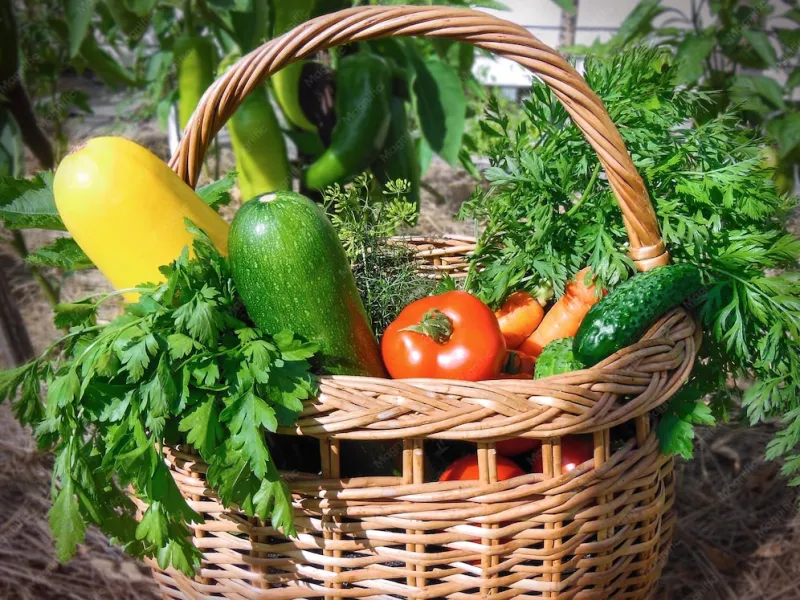
Photo: homegrown vegetables harvest garden basket fresh produce, via img.freepik.com
For millions of Americans, the backyard garden represents the pinnacle of food confidence. Tomatoes ripened on the vine, carrots pulled from your own beds, lettuce harvested minutes before dinner — surely nothing could be safer than food you grew yourself.
The reality is more complicated. While homegrown produce offers genuine nutritional and financial advantages, the soil it grows in is a living ecosystem, and not every organism in that ecosystem is benign. Understanding what actually happens between the compost bin and the cutting board is the first step toward protecting your family.
The Compost Connection Most Gardeners Miss
Compost is the pride of many home gardens, and rightly so — it enriches soil, reduces household waste, and improves yields. But compost is also a potential reservoir for parasitic eggs, particularly when household pets contribute to the waste stream.
Toxocara species, roundworms carried by dogs and cats, shed eggs in feces that can survive in soil for years. A single female roundworm can produce tens of thousands of eggs daily. If pet waste, unwashed manure, or contaminated bedding finds its way into a compost heap that never reaches sufficient internal temperature, those eggs can remain viable through the seasons.
Pinworm eggs present a subtler risk. Enterobius vermicularis, the most common worm infection in the United States, spreads primarily through the fecal-oral route. While pinworms are not typically soil-dwellers in the way Toxocara is, eggs transferred from unwashed hands to garden tools, hose handles, or harvest baskets can contaminate produce downstream. A child scratches, grabs the garden trowel, and the cycle quietly continues.
Why a Quick Rinse Falls Short
The standard post-harvest ritual — a few seconds under the tap — removes visible dirt and some surface bacteria. Parasitic eggs, however, are engineered by nature to cling.
Toxocara eggs possess a thick, mammillated shell that resists desiccation, routine disinfectants, and even moderate temperature swings. They can adhere to the textured surfaces of root vegetables, the ruffled leaves of romaine, and the crevices of strawberries. Studies of fresh produce contamination have repeatedly detected parasite eggs on items consumers considered clean after a simple rinse.
Consider the produce most vulnerable:
- Root crops (carrots, beets, potatoes) — direct, prolonged soil contact
- Leafy greens (lettuce, spinach, kale) — countless ridges where eggs can lodge
- Low-growing fruits (strawberries, zucchini) — splash contact during rain or watering
A Practical Protocol for a Safer Harvest
The goal is not to abandon gardening — it is to garden with informed habits. The following steps materially reduce parasitic risk without requiring expensive equipment.
1. Manage the compost pile with temperature in mind. Effective composting reaches sustained internal temperatures of 130–140°F, which degrades most parasitic eggs over time. Use a compost thermometer, turn the pile regularly, and never add pet feces or uncomposted manure directly to beds growing food.
2. Deworm and test household pets. Regular veterinary deworming, particularly for dogs and cats with outdoor access, interrupts the Toxocara life cycle at its source. Annual fecal testing is inexpensive and widely available.
3. Wear gloves and wash hands at the garden's edge. Parasites move on hands and tools. A dedicated handwashing station or even a jug of water near the garden gate breaks the transfer chain.
4. Wash produce in stages, not seconds. Begin with a cool running-water rinse, then soak leafy greens in a clean basin for several minutes, agitating gently. Scrub firm produce with a brush under running water. For high-risk items, a diluted vinegar soak (one part vinegar to three parts water, followed by a clear rinse) adds an additional measure, though no home method eliminates every egg with certainty.
5. Peel when in doubt. Peeling removes the outer layer where eggs adhere most readily — a reasonable step for root crops grown in beds with unknown histories, such as a new property or former pet areas.
6. Keep harvest tools clean and covered. Baskets, shears, and gloves stored outdoors can collect contaminated dust and animal contact overnight.
When to Consult a Physician
Most home gardeners will never experience a parasitic infection, and vigilance should not curdle into anxiety. Still, certain signs warrant a medical conversation — particularly if your household includes children, who play in soil and frequently transfer hands to mouths.
Seek guidance if you notice persistent anal itching (especially at night, a hallmark of pinworm infection), unexplained abdominal discomfort, ongoing fatigue, or — in rare cases involving Toxocara — unexplained coughing, wheezing, or vision changes. Physicians can order stool testing or serology and, when appropriate, prescribe antiparasitic treatment.
It is worth noting that mebendazole, a long-established antiparasitic medication, remains a frontline option for pinworm and certain roundworm infections, and it is listed on the World Health Organization's essential medicines list. Access and affordability, however, vary considerably across the American healthcare landscape, which is why informed consumers increasingly research their options before a prescription is even written.
Growing With Confidence
Home gardening and parasite awareness are not in conflict. The gardeners best positioned to enjoy their harvest safely are those who understand that soil is a biological system — one that rewards temperature-managed composting, pet care, and deliberate produce handling.
A quick rinse will always be better than nothing. But a few extra minutes of protocol, applied consistently, is what transforms a homegrown harvest from a source of quiet worry into exactly what it should be: the freshest, most trustworthy food your family can eat.