Five Aisles, One Checklist: A Parasitologist's Guide to Smarter Grocery Shopping
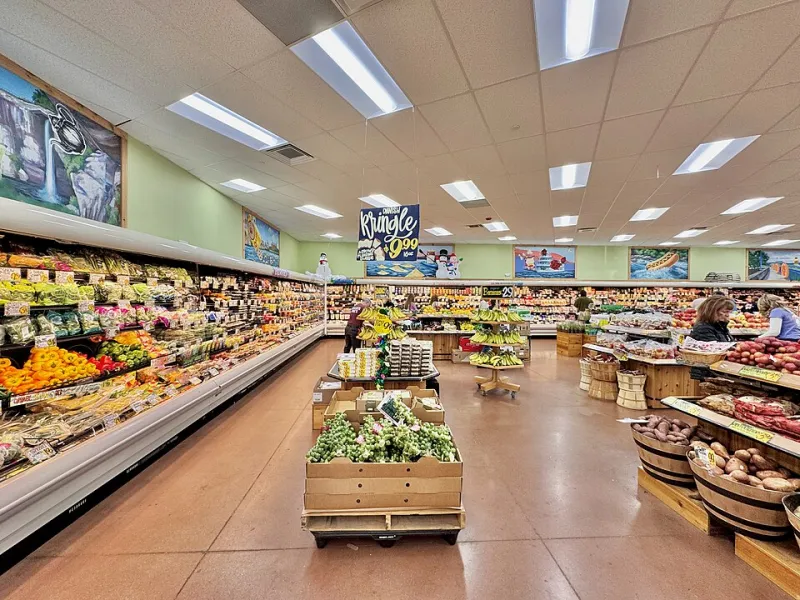
Photo: Harrison Keely, CC BY 4.0, via Wikimedia Commons
Most shoppers think about food safety at the register — did I grab the bagged greens, is the chicken sealed — long after the meaningful decisions have been made. Parasitologists think differently. They know that the risk of bringing home something you didn't pay for concentrates in a handful of predictable zones in the store. Here is a walkthrough of five of them, along with the handling habits that quietly reduce your family's exposure.
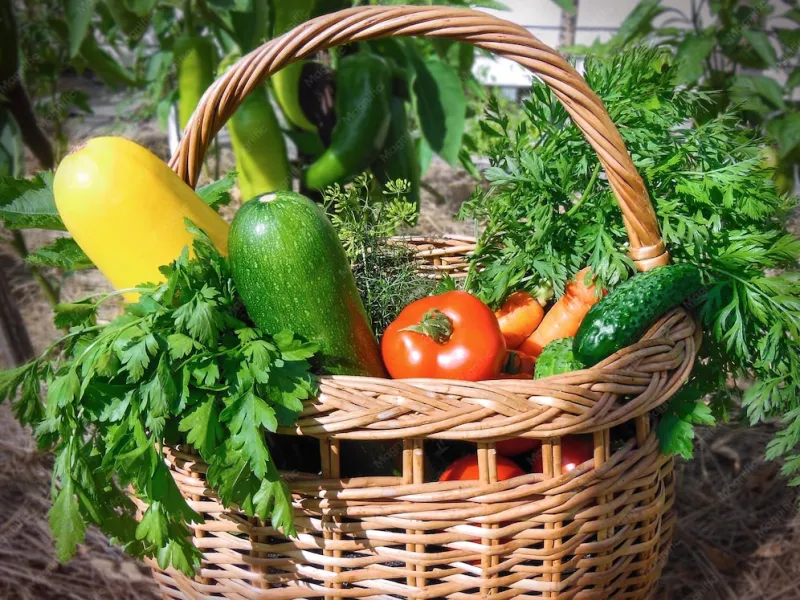
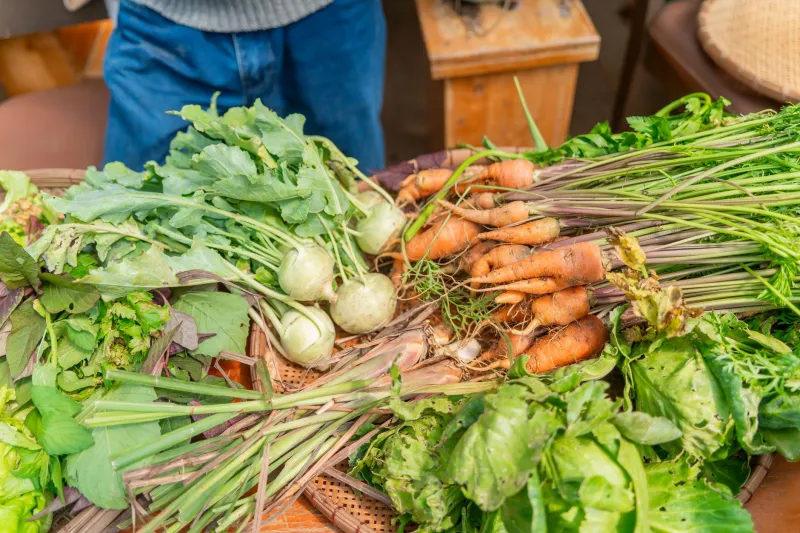
Aisle One: The Produce Section
Leafy greens, herbs, and anything sold loose carry the highest theoretical risk in the store, because they are handled frequently and eaten with minimal processing. Skip pre-washed claims as a guarantee — bagged salads have been linked to outbreaks precisely because consumers treat the bag as a sterile promise.
The habit: Choose whole, uncut produce with intact skin when possible. At home, rinse under running water rather than soaking in a communal bowl, and scrub firm-skinned items like melons and cucumbers with a dedicated brush — pathogens on the rind transfer to the flesh at the first knife stroke.
Aisle Two: Bulk Bins
The scoop-and-bag bins are economical, but they are also a shared-contact zone. Scoops get returned to the wrong bin, hands hover over open containers, and dry goods sometimes travel from regions with different agricultural sanitation standards.
The habit: Use the store-provided bags and the provided scoop only, never your hands. At home, transfer bulk items to sealed containers and consider a brief freeze (48 hours at 0°F) for grains and flours destined for raw or lightly cooked preparations — a step home bakers already use against grain moths that also adds margin against other hitchhikers.
Aisle Three: The Seafood Counter
Fish and shellfish are among the few grocery categories where parasitic contamination is well documented in the U.S. supply. Wild-caught salmon, for example, can harbor anisakis larvae; raw or undercooked preparations carry the risk.
The habit: Buy from a counter with visible ice, rapid turnover, and staff who change gloves between customers. If you prepare sushi, ceviche, or gravlax at home, use commercially frozen fish — the FDA freezing standard for raw consumption kills larval parasites reliably.
Aisle Four: Imported and Specialty Goods
Shelves of imported produce, cured meats, and artisanal cheeses deserve attention not because imported means unsafe, but because products from regions where certain parasites remain endemic may not have passed through the same inspection chains. Unwashed imported berries and fresh produce have been implicated in cyclosporiasis outbreaks in recent U.S. summers.
The habit: Rinse imported berries and fresh produce thoroughly even when the package says "washed," and be deliberate about soft cheeses and cured products if anyone in your household is pregnant or immunocompromised.
Aisle Five: The Checkout Zone
It sounds trivial, but the conveyor belt and reusable shopping bags are among the most re-contaminated surfaces in the entire food chain. A belt that just carried a leaking meat package becomes the resting place for your bread and apples seconds later.
The habit: Keep raw proteins bagged and separated from the start. Launder reusable bags weekly — most people never do — and wash hands or use sanitizer after the trip. It takes ten seconds and closes the loop on everything you did right in the other four aisles.
The Takeaway
None of this requires fear of any single food. The American grocery supply is among the safest in the world, and the point of a parasitologist's eye is not avoidance but margin — small habits that stack into meaningful protection. Print the checklist, tuck it in your reusable bag, and shop with the quiet confidence of someone who knows where the risks actually live.