When the Pharmacy Shelf Is Empty: Understanding America's Mebendazole Supply Problem
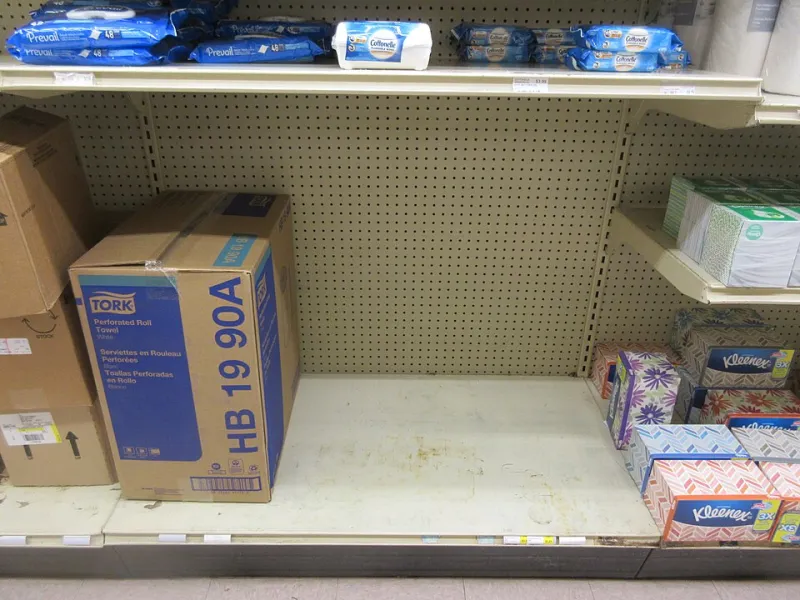
Photo: Infrogmation of New Orleans, CC BY-SA 4.0, via Wikimedia Commons
A Prescription Without a Solution
You have a diagnosis. Your physician has written the prescription. You walk to the pharmacy counter, hand over the slip of paper, and wait—only to be told that mebendazole is out of stock, backordered, or simply unavailable at any location within a reasonable distance. For many Americans dealing with parasitic infections, this scenario is not hypothetical. It is a recurring and deeply frustrating reality.
Mebendazole, a broad-spectrum antiparasitic medication used to treat pinworm, roundworm, whipworm, and hookworm infections, has experienced documented periods of limited availability in the United States. Understanding why this happens—and what you can do when it does—is essential for anyone who depends on this medication.
The Supply Chain Behind a Single Pill
The path a pharmaceutical product takes from raw ingredient to pharmacy shelf is far more complex than most consumers realize. Mebendazole's active pharmaceutical ingredient (API) is predominantly manufactured overseas, with significant production concentrated in a small number of facilities in Asia and Europe. When a single manufacturing site experiences a production delay, a quality hold, or a regulatory inspection failure, the downstream effects can ripple across the entire U.S. supply within weeks.
This geographic concentration of API production is not unique to mebendazole—it reflects a broader structural vulnerability in the global pharmaceutical supply chain. However, antiparasitic medications occupy a particularly precarious position. Because these drugs treat conditions that are often perceived as rare or low-priority in high-income countries, they do not attract the same level of manufacturing investment or redundancy that more commercially prominent medications receive.
The result is a market with thin margins, limited supplier diversity, and very little buffer inventory to absorb disruptions.
Regulatory Hurdles and Market Dynamics
The U.S. Food and Drug Administration (FDA) maintains strict standards for pharmaceutical manufacturing, including the facilities that produce medications sold in the American market. While these standards exist to protect consumers, they can also contribute to supply volatility when overseas manufacturers fail to meet requirements or when FDA inspections trigger mandatory remediation processes.
In addition to manufacturing compliance issues, the economics of the antiparasitic drug market create structural disincentives for investment. Mebendazole is a generic medication with relatively low price points, which limits profitability for manufacturers. When production costs rise or regulatory compliance burdens increase, some manufacturers choose to exit the market entirely rather than absorb the losses. Each exit reduces competitive supply and concentrates market share among fewer players—further amplifying the impact of any single disruption.
Market consolidation among U.S. pharmaceutical distributors has compounded this problem. Fewer distributors controlling larger shares of supply means that inventory shortfalls in one part of the distribution network can quickly translate into empty shelves across multiple pharmacy chains simultaneously.
What Happens to Patients in the Gap
For patients, the consequences of these supply disruptions extend well beyond inconvenience. Parasitic infections do not pause while the supply chain resolves itself. Pinworm infections, for example, spread rapidly within households—particularly among school-age children—and the window for effective treatment is narrow once transmission has occurred within a family unit.
Delays in treatment can mean prolonged symptoms, repeated cycles of re-infection, and in some cases, escalating discomfort that affects sleep, concentration, and daily function. Patients who cannot obtain mebendazole may be prescribed alternative antiparasitic agents, some of which carry different side effect profiles or require more complex dosing regimens.
For lower-income households or those without robust health insurance, the shortage creates additional financial pressure. Substituting a less familiar medication may require additional physician consultations, new prescriptions, and potentially higher out-of-pocket costs.
Navigating the Shortage: Practical Steps for Consumers
When your local pharmacy cannot fill a mebendazole prescription, several strategies may help you secure the medication more efficiently.
Contact multiple pharmacies proactively. Independent pharmacies and smaller regional chains sometimes maintain different inventory relationships than the major national chains. Calling ahead rather than visiting in person can save considerable time.
Ask your pharmacist about backorder timelines. Pharmacists often have access to distributor information that can give you a realistic estimate of when stock will be replenished. If the timeline is several weeks, exploring other options sooner rather than later is advisable.
Speak with your physician about alternatives. Albendazole is a related benzimidazole antiparasitic that is sometimes used when mebendazole is unavailable. Your physician can assess whether it is appropriate for your specific diagnosis and circumstances.
Consider licensed online pharmacy options. Reputable online pharmaceutical retailers that operate in compliance with U.S. regulations can offer a meaningful alternative when local supply is constrained. At MebendazoleSale, we maintain dedicated inventory of mebendazole and related antiparasitic medications specifically to serve patients during periods of local market volatility. Our distribution model is designed to bridge the gaps that brick-and-mortar pharmacy networks cannot always fill.
Document your experience and report shortages. The FDA maintains a drug shortage database and accepts consumer and healthcare provider reports. Reporting a shortage contributes to the agency's awareness and can influence prioritization of supply restoration efforts.
Advocating for a More Resilient System
Beyond individual navigation strategies, there is a broader advocacy dimension to this issue. Patients, healthcare providers, and consumer organizations can collectively push for policy changes that address the structural vulnerabilities in antiparasitic drug supply chains.
Supporting legislation that incentivizes domestic API manufacturing, advocating for FDA programs that prioritize shortage prevention for essential generic medications, and raising awareness about the public health implications of antiparasitic drug access—these are all meaningful ways to contribute to long-term systemic improvement.
The mebendazole supply problem is, at its core, a market failure that disproportionately affects patients who are already dealing with a health crisis. Greater transparency from manufacturers, distributors, and regulators about supply conditions would at minimum allow patients and providers to plan more effectively.
Staying Prepared Before the Shortage Hits
One of the most practical responses to recurring supply volatility is to address antiparasitic medication needs before a shortage emerges. If you live in a household with children, work in a healthcare or childcare setting, or have recently traveled internationally, maintaining a modest supply of mebendazole on hand is a reasonable precautionary measure.
MebendazoleSale offers accessible pricing and reliable shipping precisely because we understand that the need for antiparasitic treatment rarely arrives on a convenient schedule. Affordable, dependable access to essential medications should not be contingent on whether the right distributor happened to stock the right warehouse this week.
When the pharmacy shelf is empty, having a trusted alternative already in your toolkit makes all the difference.