Coop to Kitchen: The Biosecurity Gap in America's Backyard Flock Movement
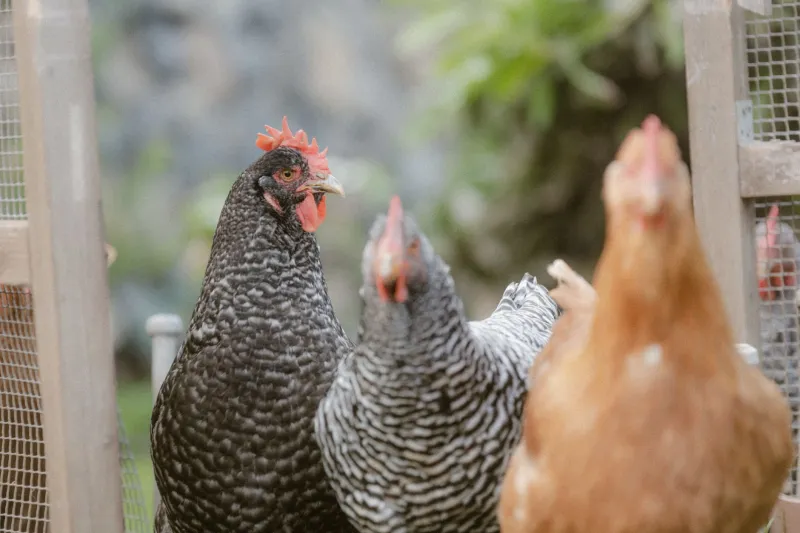
The backyard chicken has become a fixture of the American suburban landscape. Municipal ordinances have loosened, feed stores now stock chick starters alongside garden supplies, and an estimated one in ten households with a yard keeps a small flock. What began as a pandemic-era hobby has hardened into a permanent lifestyle choice — one that most new flock owners undertake with enthusiasm but, often, with surprisingly little preparation for the health risks involved.
Among those risks, parasitic exposure is the least discussed and the most easily managed. Understanding how parasites move through a small flock operation — and from the coop into the kitchen — is essential for anyone raising hens within twenty feet of a sandbox or vegetable garden.
Why Small Flocks Carry Disproportionate Risk
Commercial poultry operations run on strict biosecurity protocols: controlled foot traffic, dedicated footwear, regular deworming schedules, and veterinary oversight. Backyard coops, by contrast, are typically managed by well-meaning amateurs. The result is an environment where parasites can circulate freely.
Roundworms (Ascaridia galli) are the most common threat in domestic fowl. Hens ingest parasite eggs from contaminated soil or litter, and the worms then shed eggs back into the environment through droppings — a closed loop that intensifies in a small, permanently housed flock. Because backyard hens often share the same patch of ground for years without rotation, the concentration of parasite eggs in coop soil can climb steadily over successive seasons.
While poultry roundworms are species-specific and do not directly infect humans, they signal a broader hygiene problem. Coops that harbor heavy parasite loads attract beetles, flies, and rodents, and the general contamination of the surrounding soil raises the risk of exposure to parasites that do affect people — including pinworms, which spread readily through fecal-oral contact and thrive wherever children and chickens share the same ground.
The Egg Carton Economy
Perhaps no suburban ritual illustrates the gap in awareness better than the neighborhood egg swap. A dozen eggs changes hands in a driveway; the carton returns next week, or moves on to a third household. Rarely does anyone consider that the carton itself — often a reused paper pulp container stored in a coop area — may carry contamination from one property to another.
Eggs with visible fecal matter on the shell pose the greatest concern. Washing helps, but improper washing can actually draw surface bacteria and contaminants through the shell's pores. A safer approach is to keep nesting boxes freshly bedded, collect eggs promptly, and reserve a dedicated set of clean cartons for anything leaving the property.
A Practical Biosecurity Checklist for Hobby Farmers
You do not need commercial infrastructure to run a clean operation. Consistency matters more than equipment. The following checklist covers the fundamentals:
- Dedicated coop footwear. Keep a pair of rubber boots by the coop door and never wear them inside the house. Parasite eggs travel on shoe treads more reliably than on almost anything else.
- Rotate or refresh ground cover. If your run is stationary, rake and replace the top layer of soil or sand every few months, or move the coop periodically to rest contaminated ground.
- Quarantine new birds. Any hen joining the flock should spend two to three weeks in isolation first — a standard step that prevents a single infected bird from seeding the entire run.
- Monitor for warning signs. Droopy posture, pale combs, reduced laying, or visible worms in droppings warrant a conversation with a poultry veterinarian. Over-the-counter dewormers labeled for poultry exist, but dosing without guidance risks residue in eggs.
- Manage the carton cycle. Use new or sanitized cartons for shared eggs, and ask swap partners to do the same.
- Separate play areas from coop zones. If children use the yard, establish a clear boundary around the run and enforce handwashing after any contact with the coop area.
- Wash hands — properly. Twenty seconds with soap after handling birds, eggs, or equipment. Hand sanitizer alone is unreliable against parasite eggs.
When Prevention Fails: Knowing the Next Step
Even careful flock owners can miss the early signs of a parasitic problem, particularly pinworm, which in humans presents most often as nighttime anal itching in children — a symptom families frequently attribute to other causes. Because these infections are easily transmitted within a household, a single untreated case can circulate for months.
The encouraging news is that effective, well-established treatments exist. Mebendazole, a trusted antiparasitic medication used for decades, remains a first-line option and is available at accessible prices through reputable online pharmacies. For American families managing the cost of care without insurance coverage, knowing where to obtain affordable treatment is as important as knowing how to prevent infection in the first place.
The Bigger Picture
Raising chickens in the backyard is not inherently risky — it is simply an activity that rewards preparation. The same households that meticulously research coop ventilation and predator-proofing should extend that diligence to parasite management, both for the birds and for the people collecting the eggs.
A small flock, well managed, offers fresh eggs and genuine satisfaction. A small flock managed without biosecurity offers something else entirely. The difference comes down to habits: clean boots, fresh bedding, honest conversations with egg-swap neighbors, and a plan for treatment if exposure occurs. For a movement built on self-sufficiency, that seems like a reasonable standard to meet.